What defines a truly spectacular festival? Is it the delicious food, the vibrant costumes, the rhythmic music, or the infectious energy of the crowd? If there is one celebration that ticks every single one of these boxes with gusto, it is undoubtedly Mardi Gras. Known for its grandeur, enthusiasm, and an explosion of purple, green, and gold, Mardi Gras is a favorite among children and adults alike. But you don’t need to be in the heart of New Orleans to feel the spirit of the carnival. You can bring the "Big Easy" right into your living room or classroom with creativity and craft supplies. In this guide, we are sharing 20 Magnificent Mardi Gras Crafts for Kids that are easy to make, budget-friendly, and loads of fun. These activities are perfect for teachers planning a cultural unit, parents looking for rainy day fun, or anyone hosting a Mardi Gras-themed party. What is Mardi Gras? A Quick Guide for Kids Before diving into the glue and glitter, it is a great idea to teach children the history behind the fun. The Meaning: "Mardi Gras" is French for "Fat Tuesday." Traditionally, it is the last day of eating rich, fatty foods (like the famous King Cake) before the fasting season of Lent begins in the Catholic tradition. The Colors: Everything in Mardi Gras revolves around three specific colors, each with a special meaning: Purple: Represents Justice. Green: Represents Faith. Gold: Represents Power. The Celebration: It is a time for parades, masks, beads, and music. Families often line the streets to catch "throws" (beads and toys) thrown from elaborate floats. It is loud, happy, and full of life. Now that we know the history, let’s get crafting! Category 1: Mysterious and Magical Masks Masks are the hallmark of Mardi Gras. They allow revelers to escape society and be whoever they want to be for a day. 1. The Classic Feathered Paper Mask This is the quintessential Mardi Gras craft. How to Make It: Download a simple eye-mask template or draw one on cardstock. Cut it out, including the eye holes. The magic happens in the decoration. Provide kids with purple, green, and gold glitter, sequins, and most importantly—feathers. Glue a large plume of feathers to one corner of the mask for that dramatic masquerade look. Attach a popsicle stick to one side so the child can hold it up to their face. 2. Handprint Masquerade Mask This is a sentimental favorite for toddlers and preschoolers. How to Make It: Trace the child’s hands on colored cardstock (one green, one purple). Cut them out and glue the palms together, with the fingers fanning out like wings. Cut eye holes in the palm area. The fingers act like the feathers of the mask. It’s a wonderful keepsake that captures the size of their little hands. 3. Paper Plate Half-Masks If you are short on supplies, a paper plate saves the day. How to Make It: Cut a paper plate in half. Cut out a triangular notch for the nose and two holes for eyes. Let the kids paint the plates in metallic gold. Once dry, use markers to draw intricate swirl patterns. Punch holes on the sides and tie an elastic string so they can wear them while running around. 4. Egg Carton Goggle Masks A great way to recycle! How to Make It: Cut out two cups from an egg carton and trim them so they sit comfortably over the eyes. Poke holes in the center so the child can see. Paint them bright colors and glue them to a dowel or stick. Add pipe cleaners sticking out from the top for a wacky, bug-eyed carnival look. Category 2: Let the Music Play (Noisemakers) Mardi Gras is all about Jazz, brass bands, and making noise! 5. Paper Plate Tambourines Shake it up with this classic instrument. How to Make It: You need two sturdy paper plates. Place a handful of dried beans, rice, or pasta inside one plate. Glue the second plate on top (face to face). For extra security, staple the edges. Decoration: Punch holes around the rim and tie colorful ribbons that fly when shaken. Let the kids paint "Jazz" themes on the outside. 6. The Coffee Can Marching Drum Lead the parade with a deep beat. How to Make It: Take an empty, clean coffee tin or oatmeal container with a plastic lid. Wrap the outside in construction paper (purple, green, and gold stripes work best). The Drumsticks: Use two unsharpened pencils or wooden spoons. To dampen the sound slightly, you can wrap the tips of the spoons in fabric or cotton balls secured with rubber bands. 7. Shaker Eggs (Maracas) Since plastic eggs are often used in celebrations, repurpose them here. How to Make It: Fill plastic eggs with corn kernels or beads. Tape the seam shut with colorful Washi tape so they don't pop open. Tape the egg to between two plastic spoons to create a handle, and you have instant maracas! 8. Jingle Bell Bracelets How to Make It: Thread pipe cleaners with large jingle bells. Twist them into bracelets or anklets. As the children dance and stomp, they will create their own rhythm section. Category 3: Dress to Impress (Wearable Crafts) You can't go to the parade in your regular clothes! 9. The Jester Hat The court jester is a famous symbol of the carnival. How to Make It: Create a headband using a strip of cardstock stapled to fit the child’s head. Cut out three or four large triangles from construction paper. Glue the base of the triangles to the headband so the points flop over. The Finish: Glue a pom-pom or a bell to the tip of each triangle. When the child moves, the hat should jiggle! 10. DIY Duct Tape Beads "Throw me something, Mister!" Beads are the currency of Mardi Gras. How to Make It: Instead of buying plastic beads, make your own. Cut strips of duct tape or colored paper. Roll them tightly to form a tube (bead) shape. String them onto yarn. This is excellent for fine motor skills and pattern making (Purple-Gold-Green-Purple-Gold-Green). 11. The Royal Crown Every parade has a King and Queen. How to Make It: Use a long strip of yellow or gold poster board. Cut a zigzag pattern along the top edge. Decorate with "jewels" (plastic gems, buttons, or sequins). Measure it to the child’s head and staple. For an extra touch, glue cotton balls along the base to look like the ermine fur on a real royal crown. 12. Felt Necklaces For a softer accessory suitable for babies or toddlers. How to Make It: Cut circles or stars out of purple, green, and gold felt. Punch a hole in the center and thread them onto a thick ribbon. Unlike plastic beads, these are soft, silent, and safe for all ages. 13. The Jester Collar Complete the look with a fancy collar. How to Make It: Cut a large circle out of paper (like a giant donut) that fits over the child's head and rests on their shoulders. Cut triangles out of the outer edge. Decorate with glitter glue and bells. Category 4: Parade Floats and Decor Turn your home or classroom into the French Quarter. 14. Shoebox Parade Floats This is a fantastic STEM project. The Challenge: Give each child a shoebox and tell them to design a parade float. They can turn the box upside down and build on top, or turn it on its side to create a stage. Ideas: Use small toys (LEGO figures, dolls) as the riders. Use fabric scraps for curtains. Attach string to the front so they can pull their float across the "parade route" (the living room rug). 15. Mardi Gras Garlands How to Make It: Use a circle punch to cut out hundreds of paper circles in the three theme colors. Sew them together on a sewing machine for a long, continuous strand, or simply glue them onto a string. Hang these vertically in doorways or horizontally across the ceiling. 16. Festive Pinwheels How to Make It: Take a square of paper and cut from the corners toward the center (leaving the center uncut). Fold every other point into the center and secure with a pin into a pencil eraser. These look beautiful spinning in the wind if you are having an outdoor picnic. 17. Sparkly Pipe Cleaner Headpieces How to Make It: Twist metallic pipe cleaners together to create a tiara or a wacky alien headband. Because pipe cleaners are so bendy, kids can spiral them around a pencil to create "boingy" curls that stick up from their heads. Category 5: Sensory and Science Fun For when the kids need to calm down or engage their hands. 18. Mardi Gras Fluffy Slime Slime is always a hit. The Recipe: Mix clear glue, baking soda, and contact lens solution (or your preferred slime activator). Add shaving cream to make it "fluffy." The Twist: Divide the batch into three. Dye one purple, one green, and one yellow. Swirl them together for a galaxy-like effect. Add gold glitter for sparkle. 19. The "Calm Down" Jar Parades can be overstimulating. How to Make It: Fill a plastic water bottle with warm water and clear glue (about a 70/30 ratio). Add tons of purple and green glitter and gold confetti. Glue the lid shut. When shaken, the glitter swirls mesmerically and slowly settles, helping children regulate their breathing and emotions. 20. The Sensory Bin Perfect for toddlers. The Setup: Fill a plastic tub with a base of dyed rice or pasta (purple, green, gold). Hide "treasures" inside: gold chocolate coins, plastic bead necklaces, feathers, and small toys. Give the child scoops, cups, and tongs to dig for treasure. Conclusion: Hosting Your Own Mini-Mardi Gras Mardi Gras is more than just a party; it is a celebration of life, music, and community. By engaging in these crafts, you aren't just keeping the kids busy; you are opening a door to cultural education. Here is a quick plan for your DIY Mardi Gras Day: Morning: Start by making the Shoebox Floats and Jester Hats. Lunch: Eat something yummy (maybe pancakes for "Fat Tuesday" or a sandwich cut into a crown shape). Afternoon: Have a parade! March the shoebox floats through the house while playing jazz music, shaking the Paper Plate Tambourines, and wearing the Masks. Evening: Wind down with the Sensory Bin or watching the glitter settle in the Calm Down Jar.

Trash to Treasure: The Ultimate Guide to 100+ Recycled Crafts for Kids

We live in a world where “throwing it away” has become a daily habit. But as global warming continues to create climate crises—from untimely floods to scorching summer heatwaves—it has never been more critical to teach the next generation about sustainability. However, environmental education doesn’t have to be doom and gloom. It can be colorful, creative, and incredibly fun.

Welcome to the world of “Trash to Treasure.” This isn’t just about arts and crafts; it’s about shifting a mindset. It is about teaching children to look at a used object and see not garbage, but potential.

Whether you are a teacher preparing for Earth Day (April 22nd), a parent looking for rainy day activities, or a caregiver wanting to celebrate Global Recycling Day (March 18th), this guide is your go-to resource. We have compiled a mega-list of ideas that transform everyday waste into toys, decor, and useful organizers.

So, before you take out the trash, stop! Take a look at what’s inside. That empty cereal box? It’s a castle. That plastic bottle? It’s a jetpack. Let’s roll up our sleeves and turn your recycling bin into a craft store.

The “Treasure” Chest: What to Collect

To get started, you need to curate a collection of recyclables. Set up a special box in your home or classroom designated for “clean trash.” Here are the gold-standard items to save:

  • Plastic Eggs: Leftover from Easter or birthday parties.
  • Egg Cartons: Both cardboard and styrofoam work wonders.
  • Tin Cans: From soup, vegetables, or fruit (always check for sharp edges!).
  • Cardboard Rolls: Toilet paper rolls, paper towel rolls, and wrapping paper tubes.
  • Plastic Bottles & Caps: Water bottles, milk jugs, and detergent caps.
  • Cardboard Boxes: Cereal boxes, shipping boxes, and shoe boxes.

Note: Always wash and dry food containers thoroughly before storing them to avoid attracting pests or mold.

Category 1: Plastic Egg Transformations

Plastic eggs are durable, colorful, and often end up in landfills after a single use. Their shape makes them perfect for creating round animals and characters.

1. The Plastic Egg Whale

This is a perfect summer craft. Use a blue plastic egg as the body. Cut a tail shape and two fins from blue cardstock or craft foam and glue them on.

  • The Detail: The spout is key! Poke a small hole in the top (or use the existing air hole) and stick a blue pipe cleaner through it, curling the ends to look like water spraying out.

2. The Ribbiting Frog

Transform a green egg into a pond pal. Glue two green pom-poms on top of the egg for the eyes, then glue googly eyes onto the pom-poms for that bulging effect.

  • The Detail: Cut a long, thin strip of red paper and curl it around a pencil. Glue it inside the “mouth” (the seam of the egg) to create a snapping tongue catching a fly!

3. Birds of Paradise

This is great for spring or lessons about ornithology. Use any color egg you like. The essential materials here are feathers. Glue colorful craft feathers to the sides for wings and a tuft on top.

  • The Detail: Cut a small orange triangle for a beak and use stick-on gems to make the bird look exotic.

4. The Friendly Alien

The aliens have landed, and they are adorable. This is the best project for neon-colored or mismatched eggs.

  • The Detail: Use pipe cleaners to create antennas. You can add three or four googly eyes instead of two to make them look extra extraterrestrial. Use silver marker to draw “buttons” or a space suit on the egg.

5. Firefly Night Lights

Use translucent plastic eggs (yellow or orange work best). Place a small battery-operated LED tea light inside the egg. Add pipe cleaner wings and antennae. When you turn the lights off, these little bugs actually glow!

Category 2: The Tin Can Band & Organizers

Metal is one of the most durable materials we throw away. With a little paint, a tin can lasts forever. Safety Tip: Use a smooth-edge can opener or cover the rim with sturdy tape to protect little fingers.

6. The Tin Can Drum Set

Music class on a budget! Collect cans of different sizes (tuna, soup, coffee). Remove the lids and stretch a sturdy balloon over the open top, securing it with a rubber band.

  • Play Time: The different sizes create different pitches. Kids can decorate the sides with Washi tape or paint.

7. Character Pencil Holders

Don’t settle for a boring desk. Paint a clean can yellow and draw a face to make a LEGO head. Paint it red with black dots for a ladybug. Or, wrap it in twine for a rustic look. It helps keep homework stations organized.

8. Tin Can Lanterns

This project requires adult supervision but yields beautiful results. Fill a can with water and freeze it (this stops the can from denting). Once frozen, use a hammer and nail to punch holes in a pattern (hearts, stars, etc.).

  • The Reveal: Let the ice melt, dry the can, and place a candle inside. The light shines through the holes, creating a magical lantern for the patio.

9. Garden Herb Planters

Poke a few holes in the bottom of the can for drainage. Let the kids paint them in bright spring colors. Fill with soil and seeds. These fit perfectly on a kitchen windowsill and teach kids about plant life cycles

Category 3: Egg Carton Engineering

Egg cartons are unique because of their “cups.” They naturally look like eyes, flowers, or bumps on a creature.

10. The Very Hungry Caterpillar

Cut a strip of cups (4 to 6 connected cups). Paint them green, with the first cup painted red for the head. Add pipe cleaner antennas. This pairs perfectly with reading the famous children’s book.

11. Egg Carton Flowers

Cut the cups out individually. Snip “V” shapes into the rim of the cup to create petals. Paint them vivid colors—purple, pink, yellow.

  • Assembly: Poke a hole in the bottom and thread a green pipe cleaner through as the stem. A yellow button glued in the center completes the blossom. You can make a whole bouquet that never wilts!

12. 3D Face Masks

Use a large section of the carton. The two cups can be the eyes (cut out the bottoms so the child can see). The protruding divider often found in cartons makes a perfect nose or beak. Paint and attach elastic string for a fun masquerade mask.

13. Tiny Treasure Chests

Use two cups, but keep them attached at the hinge (or tape them together). Paint them brown or gold. Kids can hide small toys, coins, or jewelry inside their mini chests.

Category 4: The Cardboard Roll Chronicles

Toilet paper rolls are perhaps the most abundant craft supply in any home.

14. Binoculars for Explorers

Tape two rolls together side-by-side. Punch holes on the sides and attach a yarn neck strap.

  • The Adventure: Kids can decorate them with camouflage paint or stickers. Send them out into the backyard for a “Safari” to spot birds or bugs.

15. Marble Run

This is a STEM engineering challenge. Collect 10-20 rolls. Tape them to a wall or a large piece of cardboard, angling them so a marble can roll from one to the next.

  • The Lesson: Kids learn about gravity and physics as they troubleshoot why the marble gets stuck or flies off the track.

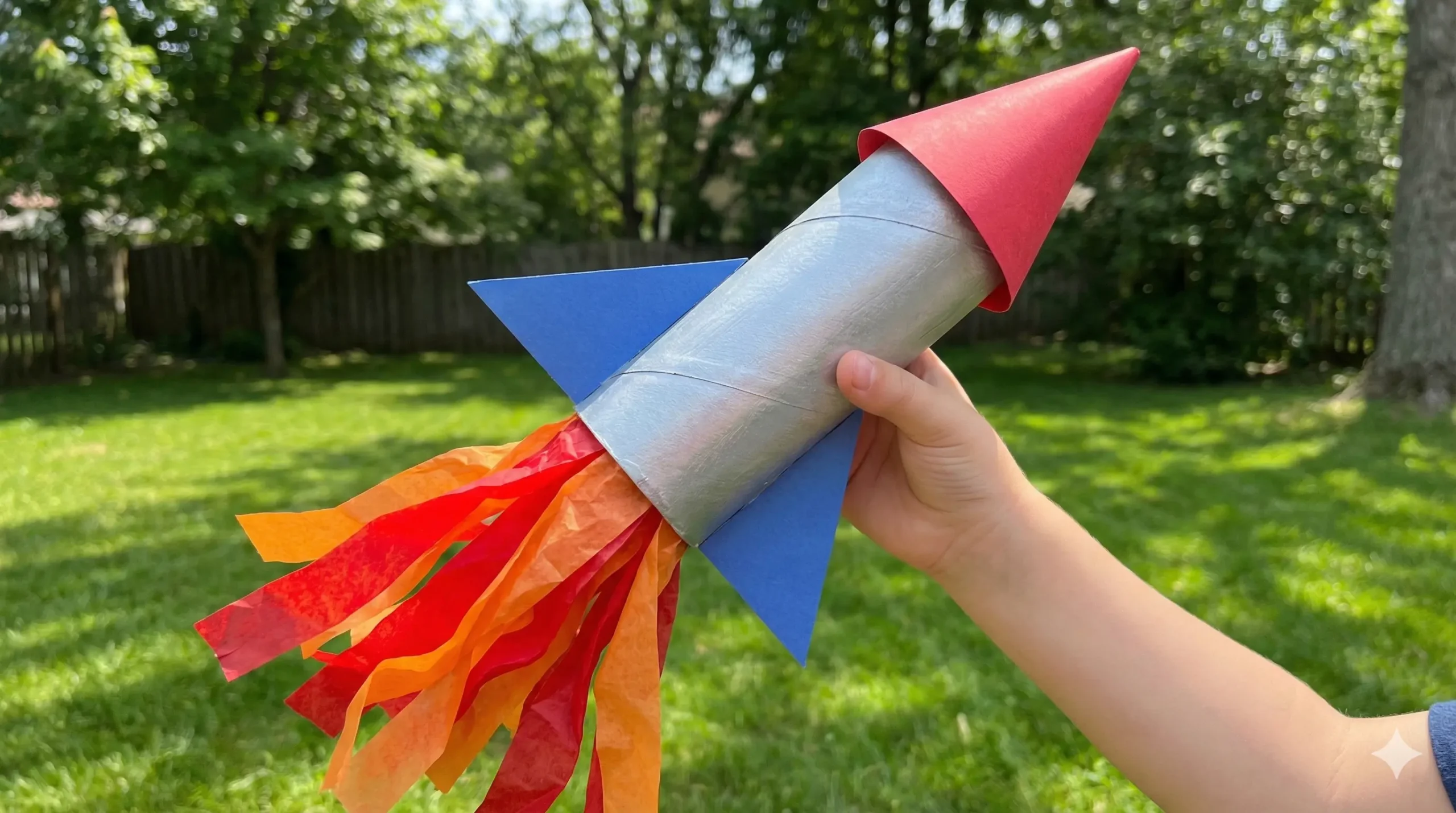
16. Rocket Ships

Take a single roll. Make a cone out of paper and glue it to the top. Glue triangles to the bottom for fins. Paint it silver or white.

  • The Effect: Glue streamers of red and orange tissue paper to the bottom inside. When the child “flies” the rocket, the fire streams behind it.

Category 5: Plastic Bottle Upcycling

Plastic bottles take hundreds of years to decompose. Giving them a second life is a powerful lesson.

17. Sensory Bottles (Calm Down Jars)

Fill a water bottle with water, clear glue, and glitter. You can add small plastic beads or letters. Glue the cap shut.

  • The Use: When shaken, the glitter swirls slowly. It is a fantastic tool for helping anxious children calm down and focus.

18. Bird Feeders

Cut a hole in the side of a plastic bottle. Poke a spoon through the bottle so the spoon part sits below the hole (as a perch). Fill with birdseed. Hang it from a tree and watch nature come to you.

19. Bowling Pins

Collect 6 or 10 matching bottles. Put a little sand or water in the bottom to weigh them down. Paint them white with a red stripe like traditional pins, or turn them into “minion” characters or monsters. Use a tennis ball to bowl!

Why This Matters: The Educational Angle

Engaging in recycled crafts is more than just a way to pass the time. It is a multi-layered educational tool.

  1. Problem Solving: Unlike a kit where all the pieces fit perfectly, recycled crafts require adaptation. “This lid doesn’t fit—what else can I use?” This builds resilience and critical thinking.
  2. Environmental Stewardship: It makes the abstract concept of “recycling” tangible. Kids see firsthand that materials have value even after their primary use is over.
  3. Fine Motor Skills: Cutting cardboard, taping rolls, and threading buttons are excellent exercises for strengthening hand muscles needed for writing.
  4. Creativity: There are no instructions. A box can be a car, a house, or a robot. This open-ended play is crucial for cognitive development.

Conclusion

The next time you head to the recycling bin, pause for a moment. That pile of cardboard and plastic isn’t just waste; it is a mountain of opportunity. It is a rainy afternoon saved, a creative spark ignited, and a small but meaningful step toward a cleaner planet.

By engaging in these 100+ craft possibilities (and believe us, once you start, you will come up with hundreds more), you are teaching your children that they have the power to create, transform, and conserve.
Leave a Reply

Your email address will not be published. Required fields are marked *